How Jamaican Food Reflects Jamaica’s Heritage
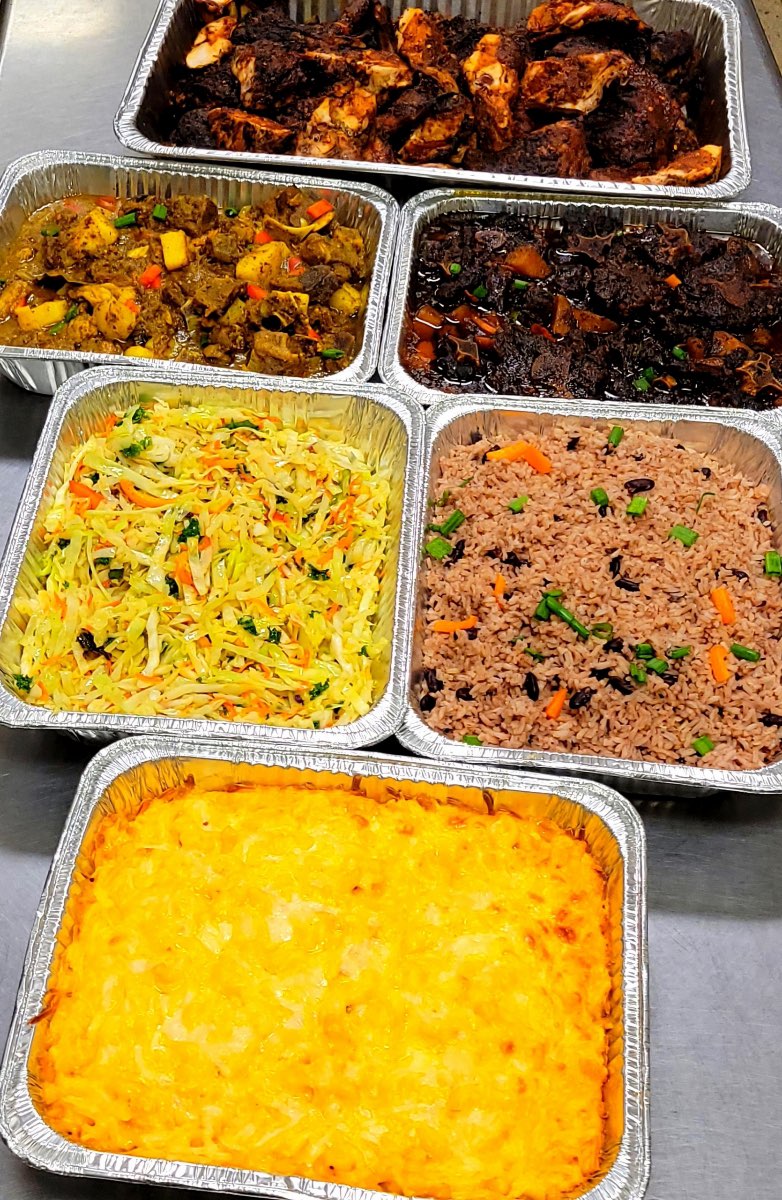
Jamaican food tells a story before anyone says a word. It speaks through smoke from a roadside jerk pan, through the sharp heat of Scotch bonnet peppers, through a breakfast plate of ackee and saltfish that carries centuries of migration, trade, survival, and invention. To understand Jamaica’s heritage, it helps to stand where food is made, not only where it is served. Markets, fishing villages, cookshops, cane fields, family yards, and festival grounds all reveal how deeply the island’s history lives in its cooking.
What makes Jamaican food especially revealing is that it does not hide its influences. It absorbs them, seasons them, and turns them into something distinctly Jamaican. The island’s cuisine draws from Indigenous knowledge, African culinary memory, European colonial systems, Indian and Chinese migration, and the practical realities of a tropical climate. You can taste hardship in some dishes, celebration in others, and resourcefulness in almost all of them.
That mix is not abstract. It appears in everyday meals. Rice and peas on a Sunday table, curry goat at a wedding, mannish water at a dance, fried fish with bammy by the sea, patties sold from a warm glass case in town, all of it carries heritage in a form people touch, smell, and remember. Jamaican food is not only nourishment. It is archive, inheritance, and argument. It shows who came to the island, who was forced there, who adapted, and who kept important parts of themselves alive through cooking.
A cuisine shaped by contact and survival
Jamaica’s food history begins long before the modern nation took shape. The Taíno, the island’s Indigenous people, contributed some of the earliest foodways that still echo today. Cassava, peppers, sweet potatoes, and methods of preserving and cooking over open fire were part of that foundation. Bammy, the flat cassava bread still served with fish in many parts of Jamaica, is one of the clearest examples of Taíno influence that survived colonization.
Then came the brutal structures of empire. Spanish rule, followed by British rule, transformed the island’s land use and labor systems. Enslaved Africans were forced to work plantations that prioritized export crops over local nourishment. Sugar dominated land and policy, but people still had to feed themselves. Out of that imbalance came one of the defining features of Jamaican food: ingenuity under pressure.
Enslaved Africans drew on memory and adaptation. They used provisions they jamaican food could grow or access, such as yam, green banana, callaloo, coco, and plantain. They worked with salted meats and fish because fresh protein was often scarce or controlled. They leaned on one-pot cooking, bold seasoning, and deep knowledge of starches, greens, and stews. That practical wisdom remains central to Jamaican cooking today.
After emancipation, indentured laborers from India and China arrived, bringing spices, techniques, and preferences that would also become woven into the island’s food culture. Curry is the obvious example, but not the only one. The Jamaican approach to curried goat or curried chicken differs from Indian regional traditions, yet it would not exist in its present form without Indian influence. Chinese Jamaican cooking also shaped urban eating habits and helped expand the island’s taste for stir-fried dishes, soy-based seasoning, and hybrid takeaway food.
The result is not a patchwork in which each influence sits neatly apart. Jamaican food is more integrated than that. It is a cuisine forged through contact, conflict, scarcity, celebration, and constant reinvention.
The land and sea on the plate
Heritage is never only about ancestry. It is also about geography. Jamaica’s mountains, fertile valleys, rivers, and coastline shape what people eat and how they cook it. A food culture grows differently on an island than it does on a large continental landmass. Ingredients move with the seasons, fishing conditions matter, storms change supply, and local abundance often dictates tradition more than fashion does.
In rural areas, provisions have long mattered as much as proteins. Yam is not just a side dish. It is a marker of regional identity, especially in places known for yam cultivation. Breadfruit, introduced to the Caribbean in the colonial era, became so fully absorbed into Jamaican life that many people now treat it as inseparable from the national table. Roast breadfruit with saltfish or fried fish is a meal that feels deeply rooted, despite the crop’s historical journey.
The sea matters just as much. Escovitch fish, steamed fish, peppered shrimp, and fish tea all reflect a nation with strong coastal traditions. Even within fish cookery, there is social and regional nuance. A beachside fish meal often tastes different from one prepared inland, not only because of freshness but because of setting, fuel, seasoning style, and side dishes. The same snapper can tell two different stories depending on whether it comes with bammy and festival by the sea or with ground provisions in a home kitchen.
Climate also shapes flavor. Tropical heat favors assertive seasoning. Herbs such as thyme, scallion, and pimento hold their own against smoke, salt, and pepper. Sour orange, lime, ginger, garlic, and allspice work in a climate where bright, aromatic food feels right. Jamaican food rarely tastes timid, and that boldness reflects both environment and temperament.
Jerk as a lesson in resistance and identity
No discussion of Jamaican heritage through food is complete without jerk, but it deserves more care than the tourist version often receives. Jerk is not merely a spice blend or a menu category. It is one of the island’s most important culinary expressions of survival and resistance.
The roots of jerk are often linked to the Maroons, communities formed largely by formerly enslaved Africans who escaped into Jamaica’s interior and built independent societies. Cooking meat slowly over pimento wood, seasoning it heavily, and developing methods that helped preserve and protect food in difficult conditions were not random choices. They reflected the realities of life outside colonial control.
That history matters because jerk today is frequently flattened into a brand. In practice, authentic jerk is defined as much by method as by seasoning. Smoke is essential. Pimento wood contributes a sweet, resinous aroma that is hard to fake. Scotch bonnet brings heat, but also fruitiness. The marinade or paste usually includes scallion, thyme, allspice, garlic, ginger, and sometimes soy, depending on the cook and the era. The meat, whether pork or chicken, is often cooked low and slow enough for the smoke to penetrate deeply.
Good jerk teaches a broader lesson about Jamaican heritage. It shows how a technique born in struggle can become a source of pride and national distinction. It also shows how heritage travels imperfectly. You can find decent jerk outside Jamaica, but without pimento wood, proper heat management, and a cook who understands balance, it often turns into little more than spicy grilled meat. The difference is not snobbery. It is context. Heritage lives in the details.
Ackee and saltfish, a national dish made from history’s contradictions
Ackee and saltfish may be the single best example of how Jamaican food reflects layered heritage. Ackee is not native to Jamaica. It originated in West Africa and came to the Caribbean through colonial routes tied to slavery and botanic exchange. Saltfish, usually salted cod, came through Atlantic trade systems, especially those that supplied preserved food to plantation economies. best Jamaican restaurants Neither ingredient tells a simple story. Together, they create Jamaica’s national dish.
That pairing says a great deal. It shows how people built something beloved from ingredients shaped by displacement and commerce. Ackee, when cooked properly, becomes soft, rich, and almost buttery. Saltfish brings salinity and structure. The usual additions, onion, tomato, scallion, thyme, and Scotch bonnet, anchor the dish firmly in Jamaican flavor logic. Served with fried dumplings, boiled green banana, yam, or breadfruit, it becomes both hearty and ceremonial, a meal with the feel of weekend mornings and family rhythm.
There is also judgment involved in preparing it well. Ackee must be handled carefully, because unripe fruit is unsafe. Saltfish must be soaked and simmered enough to remove excess salt without stripping all character. The dish succeeds through restraint. Too much salt overwhelms the ackee. Too much tomato turns it watery. Too much stirring breaks the ackee into mush. Heritage foods often look simple from the outside, but they demand practice.
That is another truth about Jamaican food. It is not rustic in the careless sense. It often relies on techniques learned through repetition, correction, and observation. A grandmother may not write anything down, yet she knows exactly when the ackee is ready, how long to soak the fish, and how much heat the pan can take before the onions lose their sweetness. Heritage survives because those instincts are taught.
African memory in everyday staples
The African contribution to Jamaican food is not limited to a handful of famous dishes. It runs through the structure of the cuisine itself. Ground provisions, one-pot soups, leafy greens, offal cookery, roasting, pounding, stewing, and a deep respect for starch as the center of a meal all point to continuities shaped by African food knowledge.
Look at a pot of red peas soup or a Saturday soup thick with yam, dumplings, pumpkin, and sometimes pig’s tail or beef. This is not just comfort food. It reflects a worldview in which a meal should sustain labor, stretch ingredients, and feed a household generously. The same is true for dishes such as rundown, where salted mackerel is simmered in coconut milk with seasonings until the sauce reduces into something rich and savory. Coconut appears across the Caribbean, but in Jamaica it often joins techniques and flavor combinations that reveal older patterns of adaptation.
Callaloo is another example. Although the greens used can vary, the broader idea of cooking leafy vegetables with aromatics, salt, and sometimes protein has deep resonance across African diasporic foodways. The Jamaican version is distinctly local, yet its logic is familiar within the wider Black Atlantic.
The use of Scotch bonnet and pimento also reflects an inherited preference for food with force and fragrance. Heat in Jamaican cooking is not there merely to challenge the eater. It sharpens appetite, balances richness, and gives food presence. That is particularly evident in soups, jerk, escovitch, and pepper sauces made in homes and small shops. The best pepper use is measured, not reckless. It should wake the dish, not bury it.
Indian and Chinese influences, fully Jamaican now
Indian influence in Jamaican food often gets summarized as “curry,” but that understates the story. Indian indentured laborers brought spice traditions, cooking methods, and a different relationship to seasoning blends. Over time, Jamaican curry developed its own profile, often heavier on turmeric and adapted to local tastes and ingredients. Curried goat became especially significant, showing up at celebrations, community gatherings, and restaurant menus across the island and diaspora.
The Jamaican version is notable for its texture and depth. Goat needs time. Done properly, it should be tender without falling apart into stringy fatigue. The gravy should coat rice without becoming greasy. Potatoes are common, but not every cook uses them, and some would argue they dilute the meat’s flavor if overdone. These are the kinds of debates that matter in living food cultures. Heritage is not museum glass. It is argument at the stove.
Chinese Jamaican influence is equally important, especially in urban and takeaway food traditions. Chinese migrants and their descendants shaped retail food culture, introduced and popularized certain ingredients, and contributed to the hybrid logic that now feels normal in many Jamaican towns. It is not unusual to find menus that move easily between fried chicken, soup, rice dishes, and Chinese-influenced preparations adapted to Jamaican preference for spice and seasoning.
This kind of blending tells an important truth about Jamaica’s heritage. The island does not preserve identity through purity. It preserves it through transformation. Outside observers sometimes search for an “original” version of national food, as if authenticity means untouched origins. In Jamaica, authenticity often comes from what people made together over time, under real conditions, with the ingredients and techniques available to them.
Street food, market culture, and the social life of eating
Food heritage is not only found in formal dishes. It lives just as strongly in the places where people buy and share food. Jamaican street food is part of the island’s social fabric. A patty eaten on the go, roasted corn bought from a roadside vendor, soup ladled from a big pot on a Saturday morning, these are not minor experiences. They are public rituals.
The Jamaican patty, for instance, reflects colonial pastry traditions, South Asian spice influence, local seasoning habits, and the economics of portable eating. Its yellow crust, often colored with turmeric or curry, is part of its identity. The filling might be beef, chicken, vegetable, or saltfish, but the key is balance: flaky exterior, moist filling, enough heat to register, enough structure to eat by hand. It is a working food, a school food, a bus-stop food, and a nostalgia food all at once.
Market culture matters too. In a Jamaican market, produce is not generic. Yam varieties differ. Scotch bonnet has stages of ripeness and heat. Thyme may be sold in bunches still carrying the smell of field dust. Vendors know what cooks want for soup versus what they want for roasting. These details keep culinary heritage grounded in local knowledge rather than branding.
Food in Jamaica is also deeply tied to gatherings. Funerals, church events, parties, beach limes, Christmas dinners, and Sunday family meals all have their expected dishes and rhythms. Certain foods belong to certain moments. Sorrel and Christmas cake evoke the holiday season. Bun and cheese belongs to Easter. Soup on Saturdays feels almost like a social contract in many communities. Those associations matter because they teach heritage through repetition. Children do not only learn recipes. They learn when foods belong, what they signify, and how they mark time.
Heritage in the diaspora
Jamaican food becomes even more revealing when it travels. In London, Toronto, New York, Miami, and other cities with large Jamaican communities, food often becomes one of the strongest carriers of identity. It helps people preserve language patterns, memory, and belonging across distance. A proper Sunday dinner in the diaspora is rarely only about appetite. It is about holding ground.
Yet food also changes in migration. Ingredients differ, regulations affect preparation, and customer expectations broaden. Callaloo may come from a can in one setting and from fresh amaranth in another. Pimento wood is harder to source outside Jamaica. Fish species change. Breadfruit may be frozen. These substitutions do not automatically make the food less meaningful, but they do alter it.
That tension between preservation and adaptation is part of heritage too. Some diaspora cooks become stricter as a result, insisting on exact methods because they fear loss. Others improvise more boldly, making Jamaican food with what is available while protecting the spirit of the dish. Both responses make sense. Heritage is not static, and migration makes that impossible to ignore.
One of the most revealing moments in any diaspora kitchen comes when a cook explains why a shortcut is acceptable in one dish but unforgivable in another. They might tolerate canned coconut milk in a pinch, but refuse pre-ground allspice for jerk. They might accept a different yam variety but insist that rice and peas be made with coconut milk and fresh thyme. These distinctions show where memory is flexible and where it is firm.
What Jamaican food preserves that history books often flatten
History books can record dates, laws, exports, rebellions, and migration flows. Food preserves the intimate side of heritage, how people made life livable. It remembers what was cooked when money was short. It remembers celebration after harvest, church after service, fish by the sea, and the smell of pimento smoke at dusk. It keeps alive the habits that formal narratives often compress into broad categories.
Jamaican food also preserves class history. Some dishes grew from necessity, using cheaper cuts, salted proteins, or abundant starches. Others became associated with feast days and prestige. Over time, categories shifted. Oxtail, once more modest in status, became an expensive restaurant favorite in many markets. That shift says something important about how food, memory, and economics interact. Heritage dishes do not stay frozen at one social value.
Even the act of seasoning reveals historical temperament. Jamaican cooking tends to value assertiveness, but that assertiveness is controlled. A well-seasoned dish should taste layered, not merely hot or salty. The cook’s hand matters. Many households have their own logic for green seasoning, pepper use, browning, or soup thickness. These differences are small on paper, yet they are where family identity lives.
That is why people can debate the “right” way to make a dish so passionately. They are not only arguing about taste. They are defending inheritance.
Why this cuisine remains such a clear mirror of the island
Jamaican food reflects Jamaica’s heritage because it carries the marks of everything the island has endured and created. It bears Indigenous traces, African continuity, colonial violence, migrant influence, ecological reality, and extraordinary culinary imagination. It is a cuisine built not from a single root but from many roots forced to share the same ground.
What makes it powerful is that the history is still edible. You do not need a lecture to understand some of it. You can taste smoke, salt, heat, sweetness, starch, and sea, and begin to sense the conditions that made those flavors matter. The dishes endure because they are more than symbolic. They are satisfying, practical, beautiful, and alive in ordinary life.
For anyone trying to understand Jamaica beyond postcards and playlists, Jamaican food is one of the most honest places to start. It does not offer a simplified heritage. It offers the real one, layered, adaptive, proud, and impossible to separate from the people who continue to cook it.
Reggae Pot Jamaican Grill
7562 S University Blvd C, Centennial, CO 80122
(303) 997-5623
FAQ About jamaican food
What is the best Jamaican food to try in Centennial?
The best choice depends on your preferences. Reggae Pot Jamaican Grill offers jerk chicken, curry goat, oxtail, and escovitch snapper, along with sides such as rice and peas and fried plantains. Ask the restaurant about current availability and spice levels before ordering.
Is Jamaican food very spicy in Centennial?
Heat varies by dish and preparation. Jerk dishes can be hot, while some stews and sides are milder. Tell the restaurant your preferred heat level and ask which options suit you.
What is typically on a Jamaican menu?
Common choices include jerk chicken, curries, oxtail, fish, patties, rice and peas, and plantains. Reggae Pot also lists ackee and saltfish and vegetable dishes. Menus and availability can change, so confirm your choices when ordering.